The article you keep putting off. This is the session that changes that.
Five Reasons Your Article Isn't Published Yet And what to do about it this summer
Leave the session knowing exactly which of the five specific problems is keeping your article unpublished — and with a concrete first move you can apply this week.
Reserve my free seatJoin us on 11 June
Thursday, 11 June 2026 · 14:00 CET · Free · Emerge Cafe · One hour
Count me in · 11 JuneYou will receive a confirmation email with joining details immediately after registering.
Five Reasons Your Article Isn't Published Yet
Free · 11 June · Emerge Cafe
"Most articles stay unfinished not because of laziness or lack of ability, but because of five specific, solvable problems that no one names directly."
The thoughts that keep showing up
I keep starting and restarting the introduction.
I have everything I need to write this. I just cannot seem to begin.
I am going to finish this article over the summer. I say that every year.
I know what I want to say. I just cannot get it onto the page in a way that holds together.
I have been working on this for two years. It still does not feel finished enough to send.
I have read this section so many times I can no longer tell if it is good.
These are not character flaws. They are five specific, nameable problems, and this workshop addresses each one directly.
Yes, this is meThe five reasons, named and addressed
Each reason comes with a concrete reframe and a first step you can apply immediately.
One free hour. One clear diagnosis. One first move.
Thursday, 11 June 2026 · 14:00 CET · Free
I want the first moveWhat you will leave with
You will leave with 5 concrete ways to gain momentum on your journal article and finally move towards submission.
A diagnosis of your specific block.
You will know which of the five reasons is your primary obstacle, not a vague sense that something is wrong.
Language for your argument.
A framework to articulate what your article argues, not just what it is about. One sentence that holds the whole thing.
A concrete first move for your reason.
Not general advice. A specific action matched to your block, that you can apply in the next writing session.
A framework for protecting your summer writing time.
How to structure the weeks ahead so the article does not get displaced by everything else that will try to displace it.
A realistic two-week writing plan.
Not a full manuscript roadmap. The next two weeks, mapped out in a way that accounts for how your writing actually works.
This workshop is for you if...
You have existing material — a conference paper, a dissertation chapter, or a stalled draft — and want to move it toward submission.
You have planned to finish this article over the summer before. More than once.
You know how to write. The block is structure, clarity, or time — not ability.
You want to diagnose the problem clearly before deciding on next steps.
Not the right fit: you do not yet have any existing material, or you are looking for a co-writing group. Those are available in the programme that follows.
"I keep putting the article aside. Every time I open the file, I do not know where to start and the session ends without progress."
You understand exactly why the article has stalled. You leave with a concrete first move that works with how you actually write.
Honestly, that there are much more experienced academics with the same exact problems as me. That makes me feel way less alone.
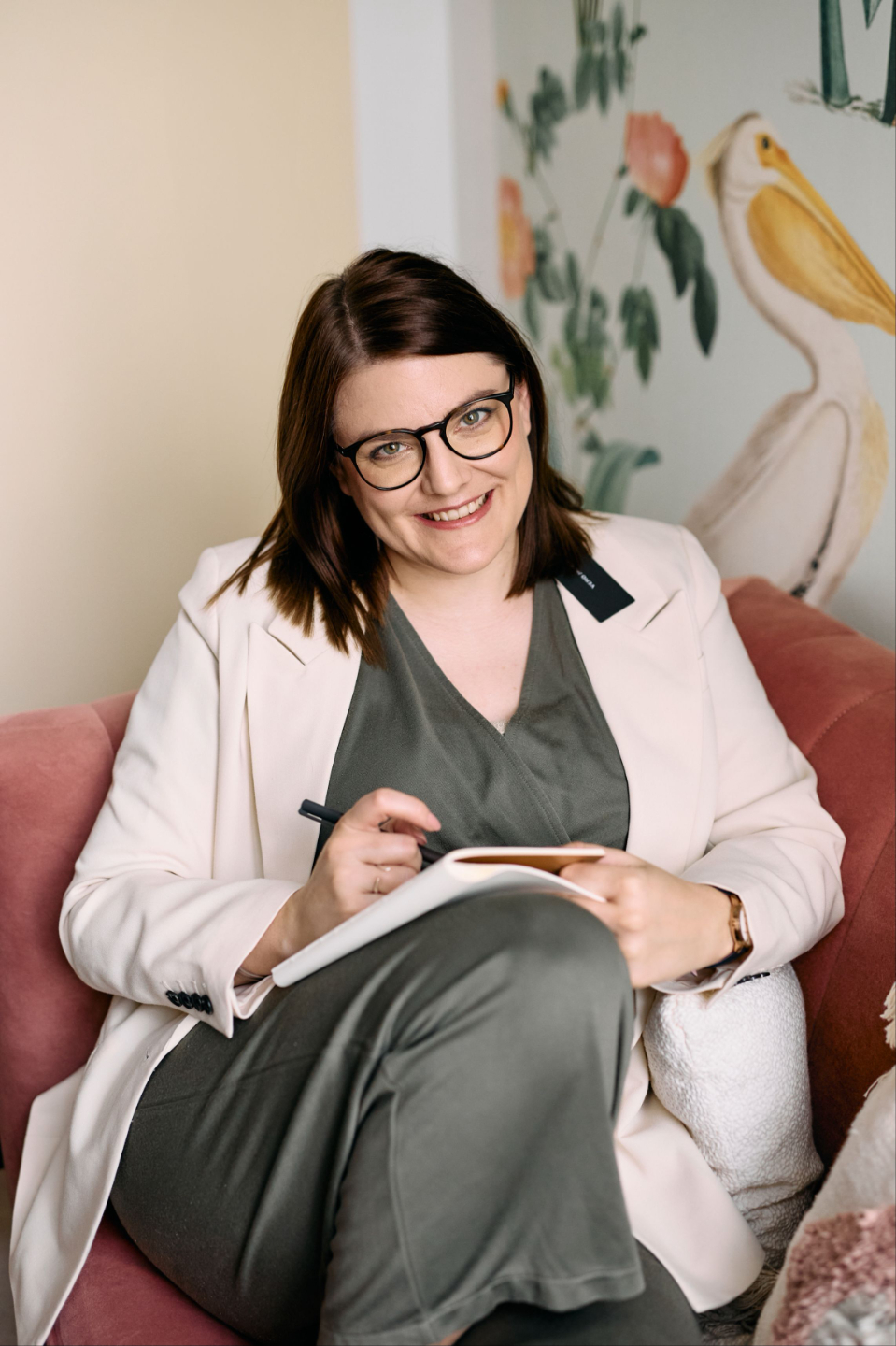
Melanie Sindelar
Academic Writing and Career Coach
Melanie is an academic writing and career coach with more than ten years of experience supporting PhD candidates, postdocs, and early career researchers with academic writing and publishing.
As an Assistant Professor, published academic, journal reviewer, and Chief Editor of an academic journal, she knows the journal article process from several sides. She has reviewed, edited, and given developmental feedback on countless article drafts, and has seen the same problems appear again and again: unclear arguments, weak positioning, overloaded structures, and revisions that keep expanding instead of moving toward submission.
In this workshop, she brings that experience together to help you understand why your article has stalled, and what to do next.
She brings together the perspectives most academics rarely get in one place: coach, editor, author, reviewer, and journal editor.
If you want to take it further
This workshop gives you the diagnosis. Submission by September is the 8-week structured programme where we work through it together: argument, structure, evidence, revision. One step per week, with one article submitted to a journal by the end of August as the goal.
Workshop attendees get access to the Early Bird price immediately after the session. Details at the end of the workshop.
Join us on 11 June
One free hour to understand exactly why your article has stalled, and what to do about it this summer.
Thursday, 11 June 2026 · 14:00 CET · Free · Emerge Cafe