Submit your article
by September.
A structured editorial process for academics who have material — a conference paper, a stalled draft, a dissertation chapter — and need a concrete path from where they are now to a submitted journal article.
Programme starts 1 July 2026


The reason your article is still unfinished is not you.
It is that no one ever taught you the mechanics of constructing an academic argument that holds together across 8,000 words, positions itself clearly in a literature, and survives peer review. That is not a personal failing. It is a gap in doctoral training that nearly every academic carries.
Most writing programmes treat motivation as the problem: show up consistently, stay accountable, the magic will happen. This one is built on a different premise. The problem is not motivation. It is that your article does not yet have a clear argument, a working structure, and a revision process. Those are editorial skills — and they are teachable.
This is not a productivity programme. It is an editorial process — argument, positioning, structure, evidence, revision — one step per week, applied to your specific article.
Dr Melanie Sindelar
You have material. You need a path from where you are to a submitted article.
You are starting from
- A conference paper
- A dissertation or book chapter
- A messy or stalled draft
- A rejected article that needs restructuring
- A partly written draft that needs a clearer argument
Your situation
- You know your area but the argument keeps shifting
- The literature review keeps expanding without closing
- Every writing session starts with rereading instead of moving forward
- You have worked on the article alone and the draft has not moved
- You need a deadline and a structure that is external to yourself
Duration
8 weeks
Dates
1 July – 31 August 2026
Goal
One article submitted to a journal
From
€449
Submission by September
8 weeks · 1 July – 31 Aug · €449
From a stalled draft to a submitted article.
Before
An article that keeps not being finished
After
An article with a clear argument and a path to submission
Before
Writing sessions that start with rereading and end without progress
After
A weekly structure that moves the draft forward one section at a time
Before
A literature review that keeps expanding without ever closing
After
An argument-driven literature map that does intellectual work in the article
Before
Peer review that feels like a lottery — unpredictable and uncontrollable
After
A draft positioned clearly for its target journal and ready to submit
One step per week. One article, moved forward.
Each week has one focus, one input session with Melanie, four co-writing sessions, and a concrete deliverable. The weeks build on each other: you move from material to argument, argument to structure, structure to draft, draft to submission-ready.
Article Audit and Summer Plan
Clarify where you are starting from, what material you already have, and what a realistic article goal for the summer looks like.
Revisit Your Material and Brainstorm the Article
Return to your data, notes, sources, and existing material. Identify what is actually interesting, what patterns are emerging, and which article is hidden inside.
Argument and Contribution
Clarify the central argument, intervention, and contribution of the article. The core question: what does this article help readers see differently?
Article Structure
Build the structure of the article section by section. Decide what needs to go in, what can be left out, and how each section carries the argument forward.
Literature Review and Positioning
Clarify which literature is actually needed, which debate the article enters, and how it positions itself in the field.
Evidence and Analysis
Work on one core section of the article. Clarify how the evidence, data, cases, or analysis carries the argument — moving from "I have material" to "this material does intellectual work in the article."
Introduction, Abstract and Title
Write or revise the introduction once the argument, structure, and evidence are clearer. Work on abstract, title, keywords, and journal fit.
Revision Strategy
Identify what is working, what still needs revision, and which changes matter most before submission. Create a final revision plan for the last days before the Submission Party.
Submit.
Come together to finalise and — where realistic — collectively submit. Final check-in, submission preparation, collective submission time, and closing the programme together.
Structure, feedback, and a writing system — every week.
Weekly input session with Melanie
Each Monday, a coach-led session focused on the week's editorial step. All sessions are recorded so you can catch up if you miss one.
Four co-writing sessions per week
Monday 10:00 · Tuesday 14:00 · Wednesday 10:00 · Friday 10:00. Choose the sessions that fit your schedule. These are structured writing time — not workshops.
Peer feedback — twice
Structured feedback at Week 3 (Argument Statement) and Week 7 (Introduction, Abstract and Title). Guided so the feedback stays useful and specific.
Writing buddy
Matched with another participant for regular check-ins throughout the programme. An optional structure — offered for those who want it.
Access to Melanie as coach
Quick questions and check-ins in the community space during the programme. For focused guidance on your specific article — not full individual feedback (that's the Article Feedback Review add-on).
Community space
A shared space with other academics working through the same process at the same time. Ask questions, share progress, work through blocks together.
Join the programme.
Full programme
€449
8-week programme · 1 July – 31 August
- 8 weekly input sessions with Melanie
- 4 co-writing sessions per week
- 2 structured peer feedback sessions
- Writing buddy matching
- Community access and coach check-ins
- Submission Party on 31 August
- Access to recordings during the programme
For participants who want deeper support.
Add-ons are booked separately and can be combined with any programme tier.
Article Feedback Review
€599
Expert structural feedback on your full article draft before submission. Written in-document comments, a written or video feedback summary, and feedback on argument, structure, contribution, journal fit, and revision priorities.
Does not include line editing, proofreading, or a Zoom call.
Line Edit
€0.06 / word
For structurally developed articles that need thorough editorial work on grammar, punctuation, style, phrasing, and flow. Includes a bibliography cross-check.
Examples: 8,000 words €480 · 10,000 words €600 · 12,000 words €720
VIP Article Support
3 places only€1,899
The full programme plus Article Feedback Review, line edit up to 10,000 words, a 45-minute strategy call after feedback, a 30-minute follow-up call, and priority check-ins throughout.
Apply for VIPI am not sure I will have time this summer.
The programme is designed around your existing schedule, not against it. Co-writing sessions run four times per week and are drop-in — you attend what works. The weekly input session is the only fixed commitment. If you are in a teaching period or travelling for a conference, the asynchronous structure means you do not fall behind; you catch up.
My article is not ready enough to work on in a group.
You do not need a finished draft. You need material — a conference paper, a dissertation chapter, a rejected manuscript, a stalled draft. The first two weeks are specifically designed to clarify your argument and build a working structure from whatever you are starting from. That is the point of entry.
I have tried writing accountability before and it did not move the article forward.
Most accountability programmes treat motivation as the problem — show up, be consistent, the article will come. This one is built on a different premise: the article is not moving because the argument is not clear, the structure is not working, or the evidence is not landing. Those are editorial problems. Each week addresses one of them directly, applied to your specific article.
Can I pay with institutional funds?
Yes. Please contact Melanie to discuss your case and the requirements of your institution. Write to info@melaniesindelar.com
Still have a question? Write to Melanie directly at info@melaniesindelar.com
If you complete the programme and still need more time to submit — you get one more month.
Submission timelines vary. Some participants will submit during the programme. Others will be one revision away by the end of August — and that is still real progress. If you complete the programme and still need more time, you receive one additional month in the Support Space at no extra cost.

Melanie Sindelar
Academic Writing and Career Coach
Melanie is an academic writing and career coach with more than ten years of experience supporting PhD candidates, postdocs, and early career researchers with academic writing and publishing.
As an Assistant Professor, published academic, journal reviewer, and Chief Editor of an academic journal, she knows the journal article process from several sides. She has reviewed, edited, and given developmental feedback on countless article drafts — and has seen the same problems appear again and again: unclear arguments, weak positioning, overloaded structures, and revisions that keep expanding instead of moving toward submission.
She brings together the perspectives most academics rarely get in one place: coach, editor, author, reviewer, and journal editor.
10+
Years coaching academic writers
Chief Editor
Peer-reviewed academic journal
PhD · Assistant Professor
Published academic & journal reviewer
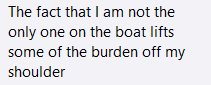
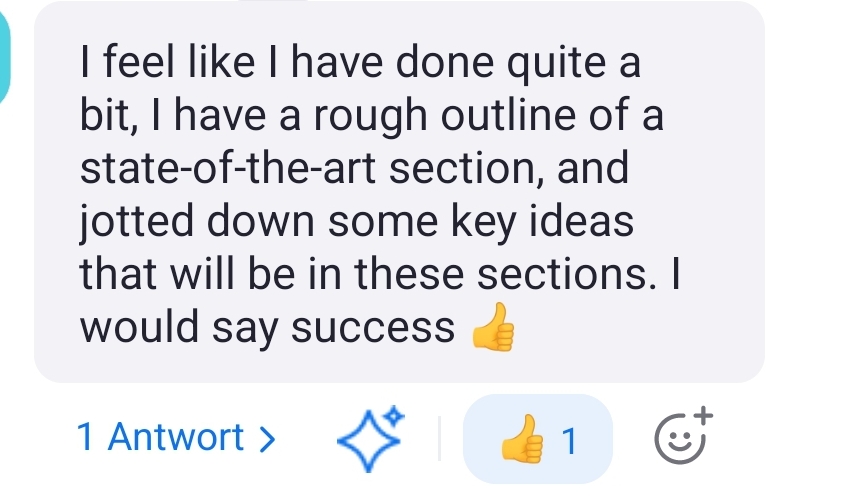
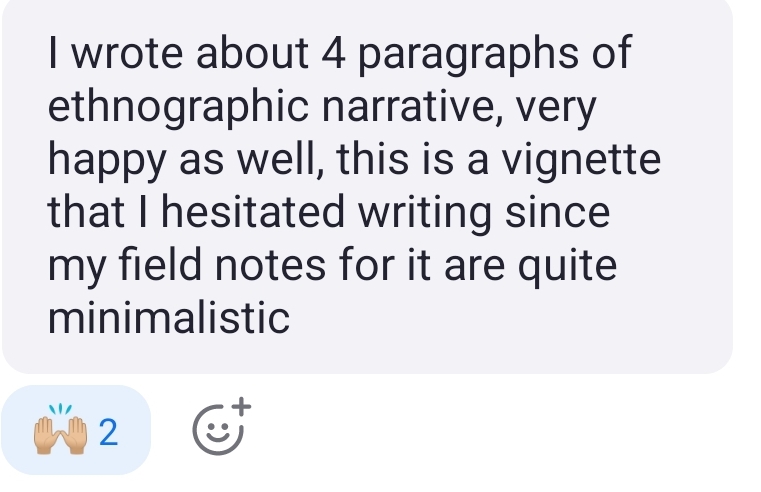
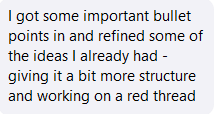
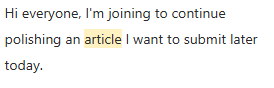
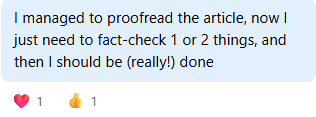
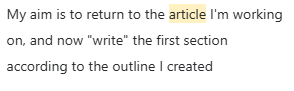
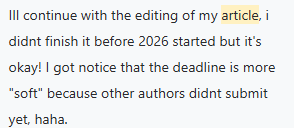
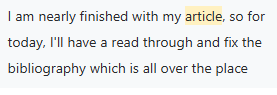
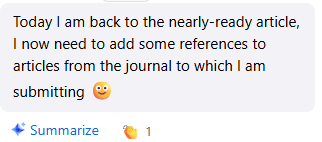
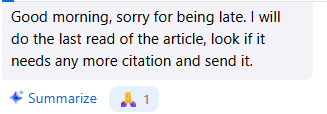
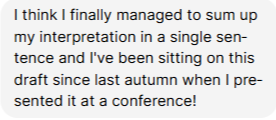
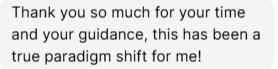
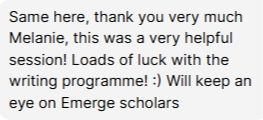
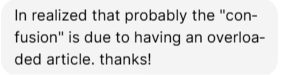
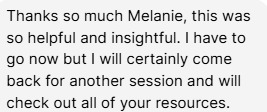
"This article has to stay in 2025, I will submit it today! Regardless of how happy I am with it."
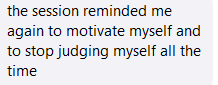
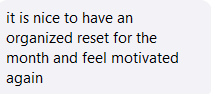
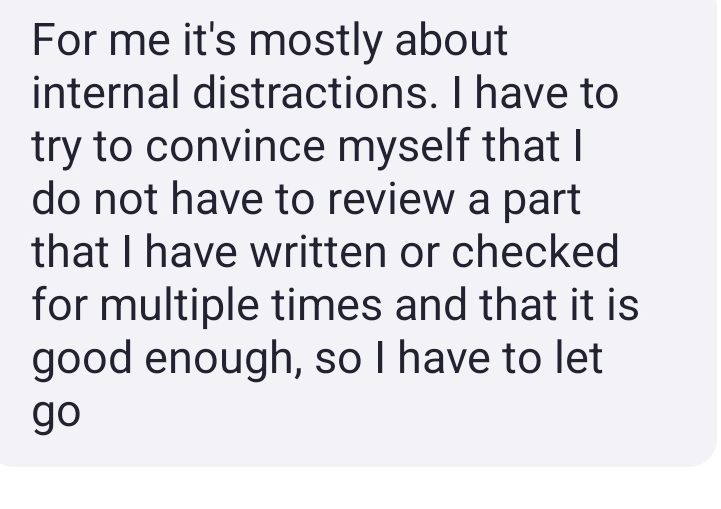
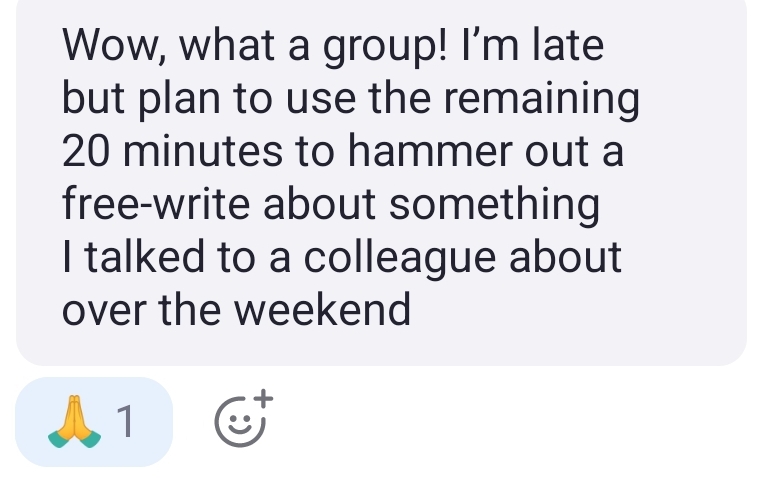
What participants say — in their own words.





The programme starts 1 July
That article has been waiting long enough.
Eight weeks. One article. One editorial process from stalled draft to submission-ready.
Programme starts 1 July 2026